How to Choose a Representative for a Thriving Society
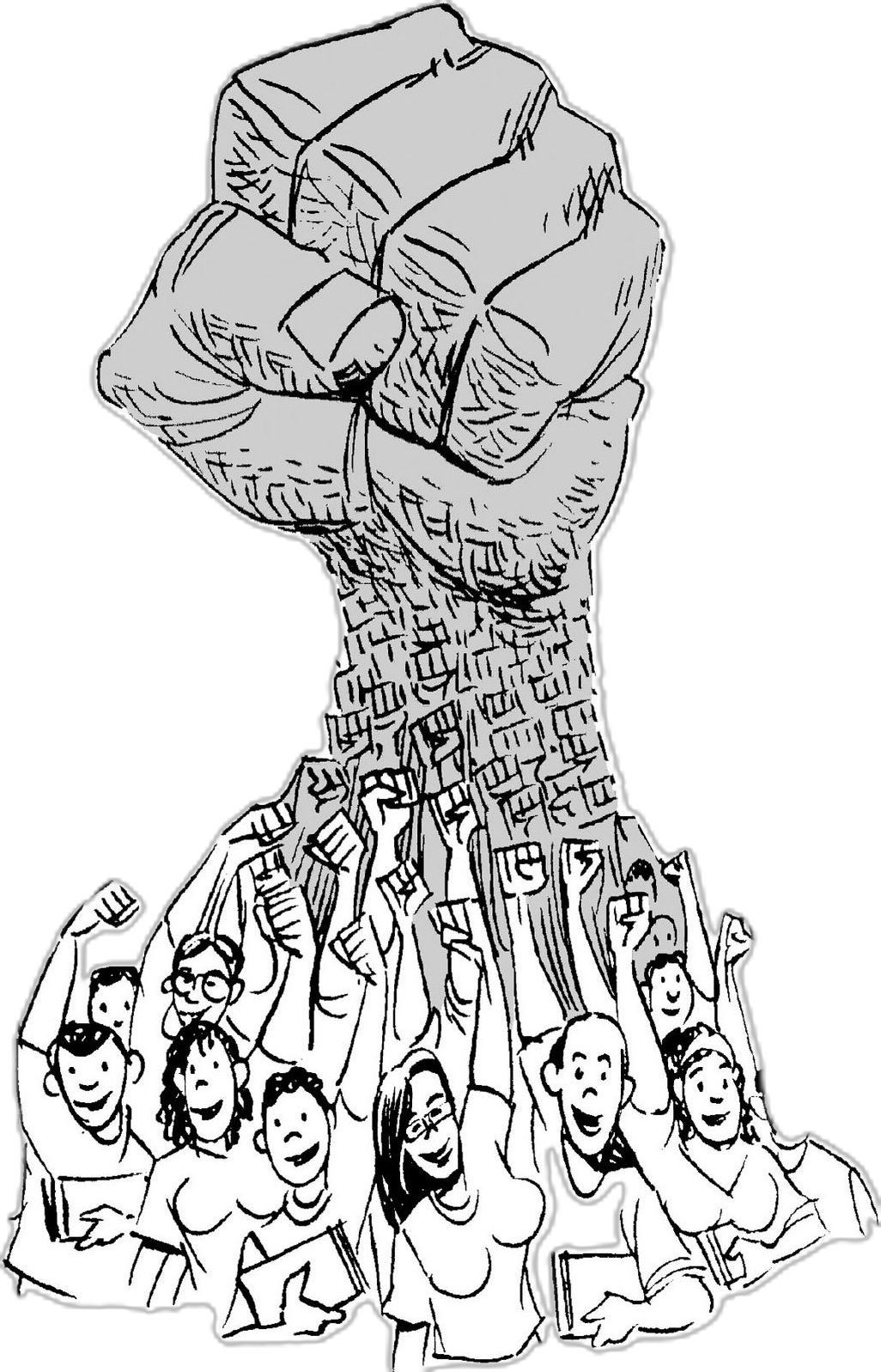
The Role of a Representative: More Than Just a Title
A representative acts as the essential conduit between the private citizen and the complex machinery of government. In any organization or nation, they serve as the “voice of the unheard”.
- The Everyday Reality: Think of your representative like a “Lead Architect” for your city. You don’t have time to study every building code or plumbing blueprint (the law), so you hire them to ensure the “house” you all live in doesn’t collapse. If the roof leaks or the foundation cracks, it is their job to have the expertise to fix it.
The "Integrity Audit": 5 Qualities Every Voter Must Look For
1. Proactive Vision vs. Reactive Management
Imagine a dangerous intersection in your neighborhood where accidents happen weekly. A reactive leader waits for a tragedy to occur and a petition to be signed before installing a signal. A proactive leader looks at the growing traffic data and installs the signal before the first accident happens.
2. Blind Equality
The Relatable Example: In many areas, if a wealthy business owner calls the representative’s office, they get a meeting the next day. If a struggling student or a blue-collar worker calls about a broken streetlight, they get an automated voicemail. A true leader treats the streetlight and the business permit with the same sense of urgency.
3. Resource Stewardship
We often see public funds spent on “beautification” projects—like expensive statues or luxury office renovations for officials—while the local school’s roof is leaking or the public hospital lacks basic medicine. A good representative prioritizes “needs” over “vanity.”
4. Generational Listening (The "Tech & Youth" Gap)
Today’s youngsters face unique struggles, from cyberbullying to the gig economy and AI’s impact on jobs. A leader who dismisses these as “just internet stuff” is failing. They need to be updated enough to understand that a “digital problem” is a “real-world problem.”
5. The Anti-Greed Policy
During elections, a candidate might promise “Free Electricity” or “No Taxes.” While this sounds great today, it often leads to 12-hour power cuts or bankrupt city services three years later. A reliable leader explains how things will be paid for, rather than just promising “freebies”.
The Cost of Short-Sightedness: Why Vision Matters
A representative must think in decades, not election cycles.
- Environmental Stewardship: A leader might allow a forest to be cleared for a quick shopping mall project to boost “growth” figures. Five years later, the area faces unprecedented flooding because the natural drainage is gone. That is the cost of short-term thinking.
- The “Vote Bank” Trap: Using illegal immigration or polarizing rhetoric to win an election is like burning the furniture to keep the house warm. It works for a moment, but eventually, there is nothing left to sit on. It creates social tension that the next generation of children will have to settle.
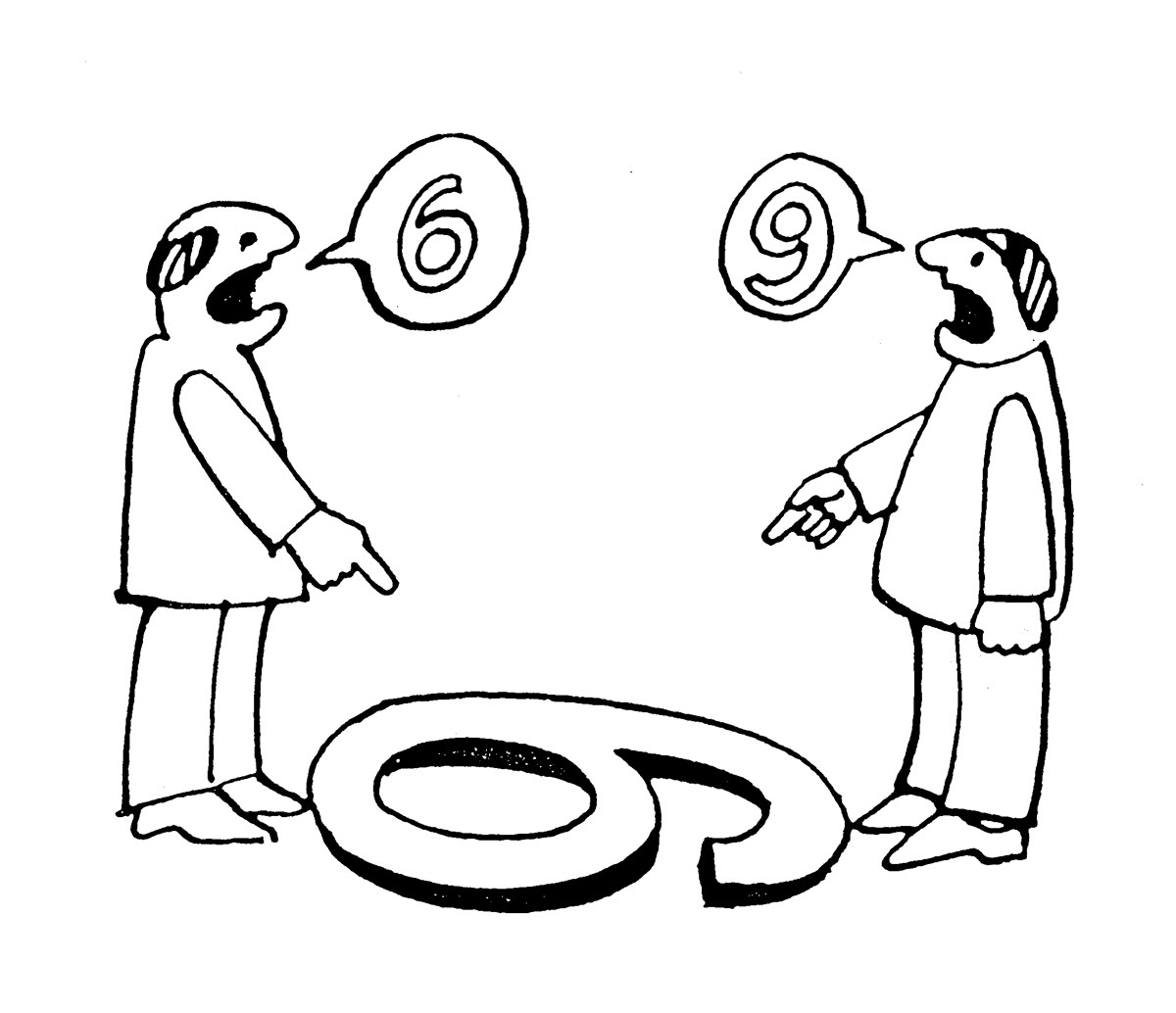
The Mirror Effect: Why Society is Responsible
It is a common habit to blame “The System,” but the system is made of people.
The “Obesity” Analogy: As mentioned, if a society lives a lifestyle that leads to high obesity, its leaders will likely reflect those same habits. This applies to ethics, too.
- The Corruption Loop: If a citizen pays a small bribe to a traffic cop to avoid a ticket, they are participating in a culture of “shortcuts.” They cannot then be surprised when their representative takes a “shortcut” with millions in public funds.
The “Standard” We Set: If we vote based on who gives us a gift or who belongs to our specific group rather than who is competent, we are telling the system that “competence doesn’t matter.” We get the leadership we are willing to settle for.
Conclusion: How to Vet a Candidate Today
Before you cast your vote, ask yourself three “Relatable Questions”:
- The Crisis Test: If my city faced a natural disaster tomorrow, is this the person I trust to stay calm and organized?
- The Budget Test: Would I trust this person to manage my own family’s bank account?
- The Legacy Test: Will my children be proud of this choice 20 years from now?