Is Ethanol Alcohol?

Briefly explaind why people are often confused (is it fuel? is it vodka? is it a lab chemical?)
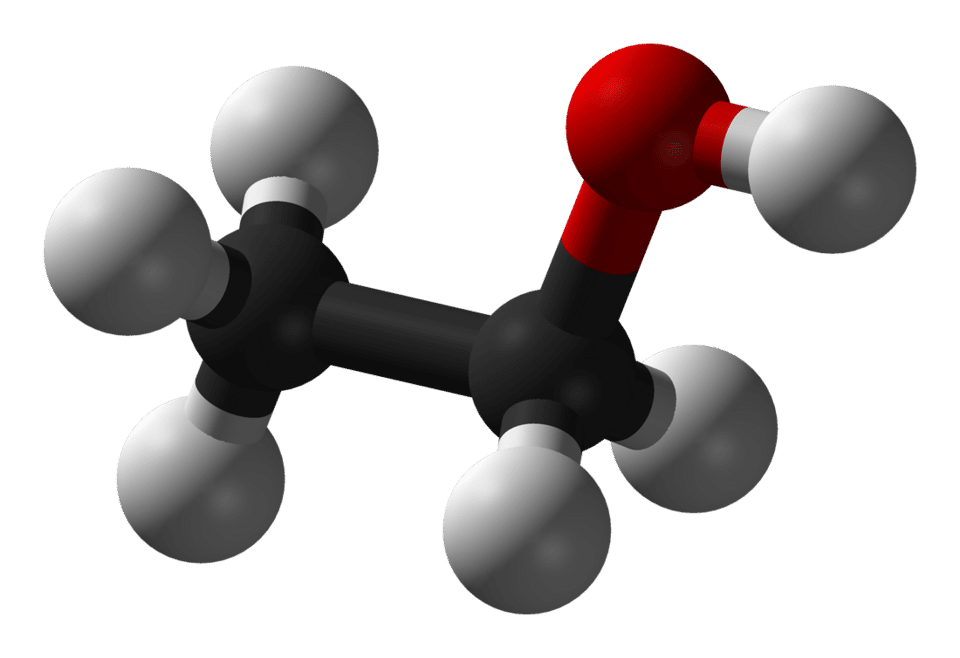
Yes, ethanol is alcohol. Specifically, it is a clear, colorless liquid known as ethyl alcohol, grain alcohol, or simply “alcohol.” It is the primary ingredient in alcoholic beverages and is produced through the fermentation of sugars by yeast. In chemistry, ethanol is a primary alcohol with the molecular formula C2H5OH.
The Science of Ethanol: Molecular Magic and Physical Properties
At its core, ethanol (C2H5OH) is a simple molecule that belongs to the hydroxyl family. Its structure consists of a two-carbon chain (ethyl group) bonded to a hydroxyl group (-OH). This specific arrangement is what defines its personality as a chemical: the ethyl group makes it oil-friendly, while the hydroxyl group makes it water-friendly. This “dual-citizenship” is why ethanol is one of the world’s most effective solvents—it can dissolve everything from essential oils in perfumes to resins in industrial coatings.
1. Volatility and Vapor Pressure
Ethanol is highly volatile, meaning it evaporates quickly at room temperature. You’ve likely felt this “cooling effect” if you’ve ever used a hand sanitizer; as the liquid turns into gas, it pulls heat away from your skin. In a lab or industrial setting, this volatility is measured by vapor pressure. Because it transitions to gas so easily, ethanol is an ideal carrier for scents and medicines that need to dry rapidly.
2. Flammability and the Flash Point
One of ethanol’s most famous traits is its flammability. It has a relatively low flash point—the minimum temperature at which its vapors can ignite when given an ignition source—of approximately 13°C (55°F). In its pure form, ethanol burns with a clean, blue, almost invisible flame, which can be a safety hazard because you might not realize a fire is burning in broad daylight. This high energy density and clean combustion are exactly why it is blended into modern gasoline to boost octane levels.
3. Hygroscopy: The Water Magnet
Ethanol is hygroscopic, meaning it literally pulls moisture out of the air. If you leave a bottle of 100% pure (anhydrous) ethanol open, it will eventually dilute itself to about 95% by absorbing humidity. This is a crucial “science fact” for mechanics, as ethanol-blended fuels can sometimes lead to water buildup in fuel tanks over long periods of sitting.
4. The Biological Interaction
Scientifically, ethanol is a central nervous system depressant. Because of its small molecular size, it crosses the blood-brain barrier with ease. In the liver, it is metabolized by an enzyme called alcohol dehydrogenase into acetaldehyde, a toxic intermediate that the body must further break down—which explains the chemistry behind a hangover.
Ethanol vs. The Competition
- Ethanol vs. Other Common Alcohols
| Features | Ethanol(Ethyl Alcohol) | Isopropyl (Rubbing Alcohol) | Methanol (Wood Alcohol) | |
|---|---|---|---|---|
| Drinkable? | Yes (if food-grade/diluted) | No (Toxic) | No (Highly Poisonous) | |
| Main Use | Beverages, Fuel, Solvent | Disinfectant, Cleaning | Industrial Fuel, Antifreeze | |
| Source | Corn, Sugarcane, Grains | Propene (Petroleum) | Natural Gas, Coal |
- Grades of Ethanol: From the Bar to the Gas Station
Not all ethanol is created equal. This section explains why you can’t put vodka in your gas tank (usually).
| Grade | Purity | Common Application | Denatured? |
|---|---|---|---|
| Lab/Medical Grade | 95% – 99% | Sanitizers, Lab Research | Often |
| Fuel Grade (E85) | 85% – 98% | Transportation fuel | Yes |
- Ethanol vs. Denatured Alcohol: The Safety Gap
| Category | Pure Ethanol | Denatured Alcohol |
|---|---|---|
| Composition | Pure C2H5OH | Ethanol + Toxic Additives |
| Taxation | High (Liquor Tax) | Low/None (Industrial) |
| Accessibility | Regulated/Liquor Stores | Hardware Stores |
| Safety | Safe for consumption | Dangerous to ingest/touch |
Common Misconceptions About Ethanol
Myth 1: “Alcohol” only refers to what we drink.
Reality: Alcohol is a massive family of chemicals; ethanol is just the one we’ve invited to dinner.
Myth 2: Fuel ethanol is the same as Everclear.
•Reality: Fuel ethanol contains “denaturants” like gasoline to make it undrinkable (and tax-exempt). Drinking it can be fatal.
Myth 3: All ethanol is “natural” and eco-friendly.
•Reality: While corn-based ethanol is renewable, the industrial production of synthetic ethanol uses fossil fuels.
Myth 4: Ethanol and Methanol are interchangeable.
•Reality: This is a dangerous mistake. Methanol is extremely toxic and can cause blindness or death even in small amounts.
YES: ethanol is alcohol. However, it is just one member of a diverse chemical family. While it is the soul of the spirits industry, its utility extends far beyond the glass—serving as a high-octane fuel component, a life-saving medical disinfectant, and a versatile industrial solvent.
- What Context says : The ethanol in your cocktail is chemically identical to the ethanol in your fuel, but the “denaturants” added to the latter make it a deadly poison.
- Properties: Its high flammability and hygroscopic nature (water-attraction) make it powerful but require careful storage.
- Safety: Never assume all “clear alcohols” are equal; methanol and isopropyl are cousins, not twins, and carry much higher toxicity.
The Editor’s Opinion: The “Universal Solvent” Paradox Most experts and industry observers agree that ethanol is perhaps the most paradoxical substance in modern society. It is simultaneously celebrated as a cultural staple in hospitality and criticized as a volatile fuel additive or a dangerous intoxicant. The consensus is that education is the best safety gear: once you understand that ethanol’s molecular structure is designed to bond with almost anything, you respect why it is so effective in a lab—and why it requires such care in the human body.
Sources & Credits
This guide was compiled using data from the following scientific and regulatory organizations:- National Center for Biotechnology Information (NCBI): Technical data on the molecular structure and chemical properties of C2H5OH.
- The Centers for Disease Control and Prevention (CDC): Safety guidelines regarding the toxicity of methanol vs. ethanol and the use of denaturants.
Disclaimer:
This article is for educational purposes only. Always consult a professional before handling industrial chemicals or high-proof substances.