From Sketch to Screen: The Complex Art of Anime Production
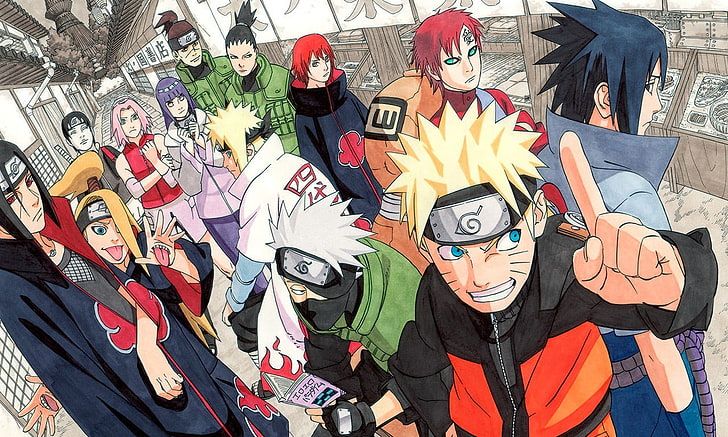
Anime (pronounced ah-nee-may) is a style of animation originating from Japan. While the word is simply the Japanese term for all animation, outside of Japan, it specifically refers to media produced within the Japanese aesthetic and culture.
1. The Role of Manga
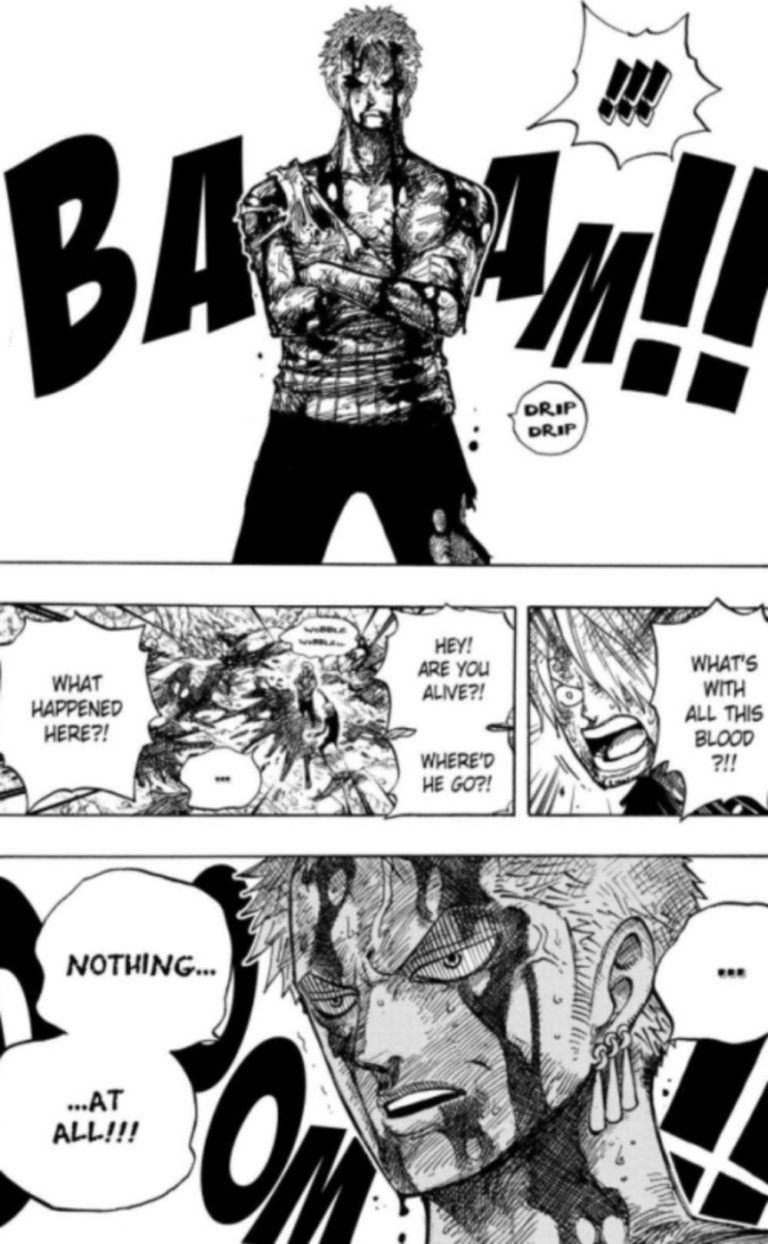
A writer creates a manga, light novel, or an original concept. Think of this as the “seed” for most anime. In manga, the writer gives birth to the characters you see on screen and develops the core story. It also determines essential components like the genre, the look of the world, and even the artistic style. The manga is then published in magazines or digitally for the public to read.
2. The Pitch for Adaptation
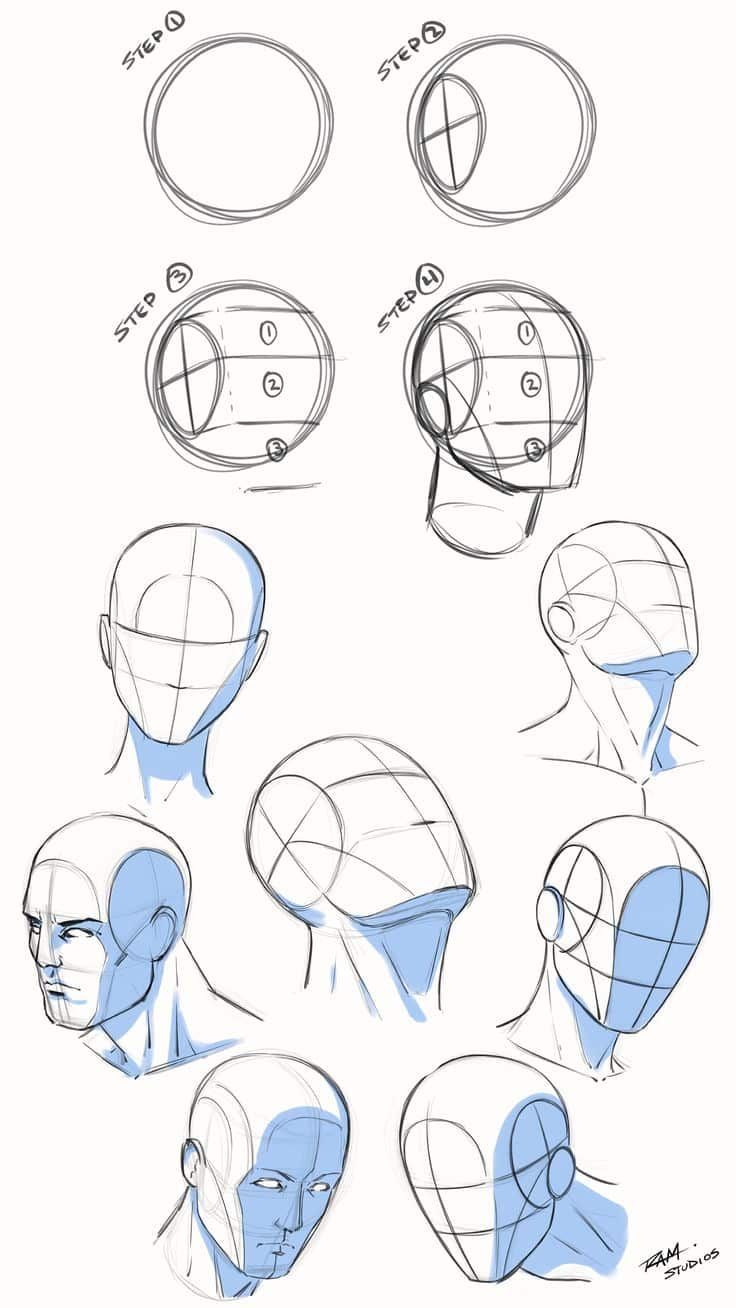
Once a manga gains popularity, it is turned into a pitch document. This includes:
- A short summary of the plot.
- Initial character sketches.
- A decided episode count (generally 8, 12, or 24 episodes).
This pitch is then sent to a Production Committee.
3. The Production Committee
This is a group of stakeholders responsible for funding and overseeing the project. This group typically consists of:
- The Anime Studio (e.g., MAPPA, Ufotable).
- Publishers (e.g., Kadokawa Shoten, Shueisha).
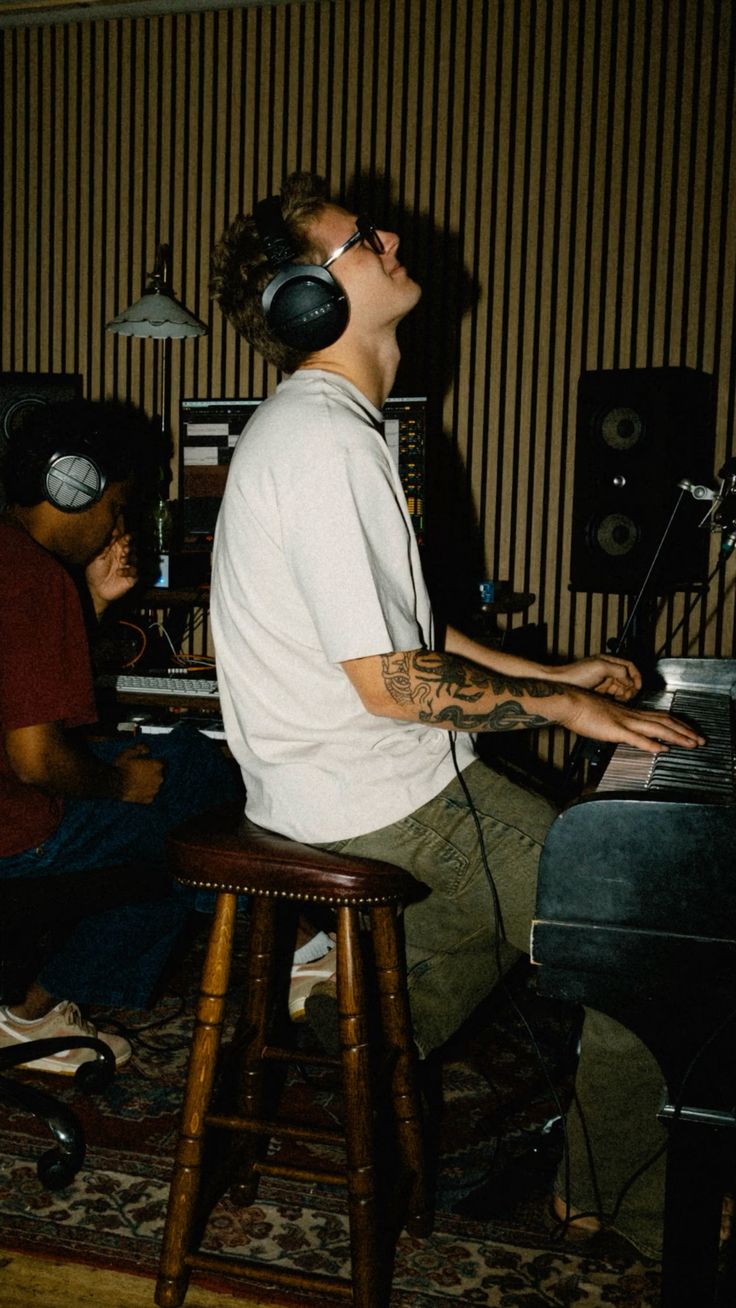
- Music Producers and Investors.
4. Pre-Production & Key Roles
This stage involves the talented individuals who put in the hard work to build the foundation:
- Director: Leads the entire creative group.
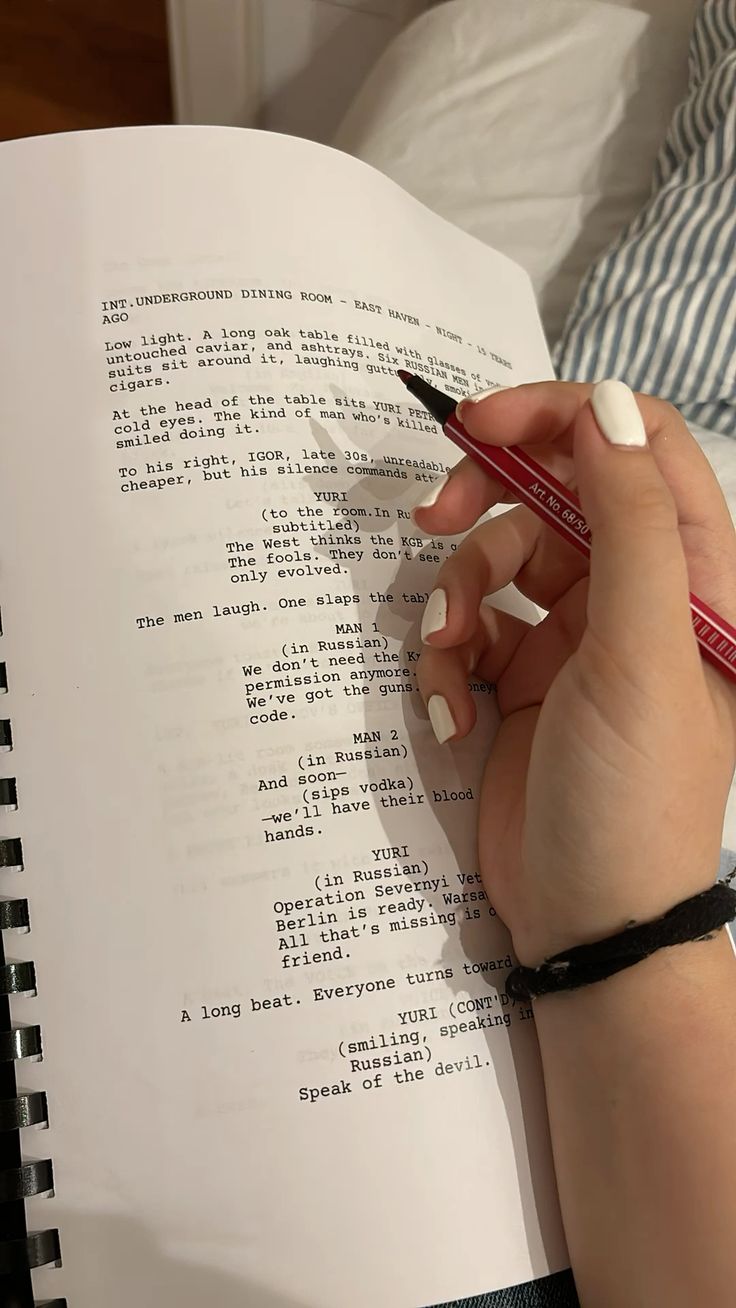
- Script Writer: The “word wizard” who adapts the story for the screen.
- Character Designer: Transforms manga art into animation-friendly designs.
- Art Director: The visual world-builder.
- Key Animators: Create the essential “pivot” frames of movement.
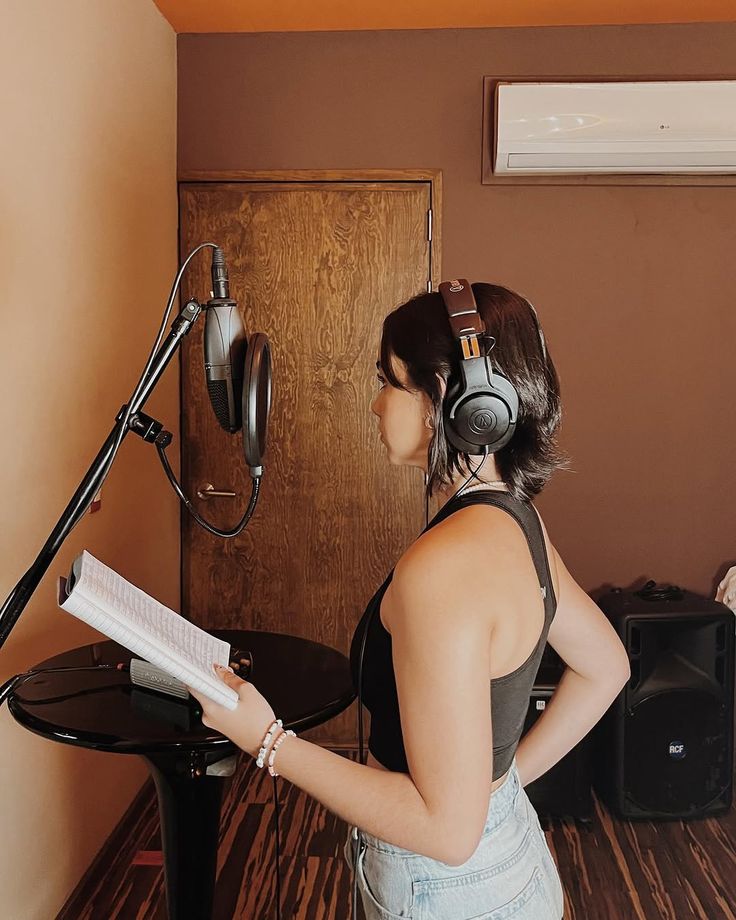
- Sound Director: Oversees voice acting and sound effects.
5. In-Between Animation
Junior animators step in to draw the frames between the “key animations.” This ensures the movement looks fluid and smooth rather than choppy.
6. Cleanup and Line Art
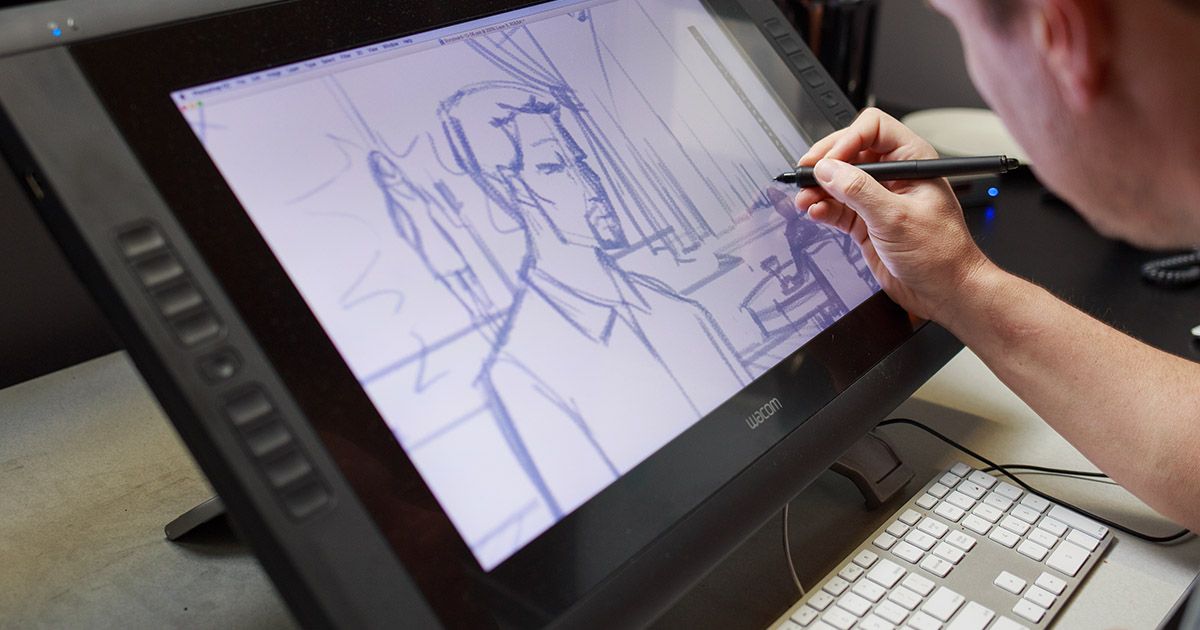
Sketchy rough drafts are cleaned and redrawn. The messy scribbles disappear, leaving only the clean, solid lines characteristic of professional anime.

7. Digital Coloring
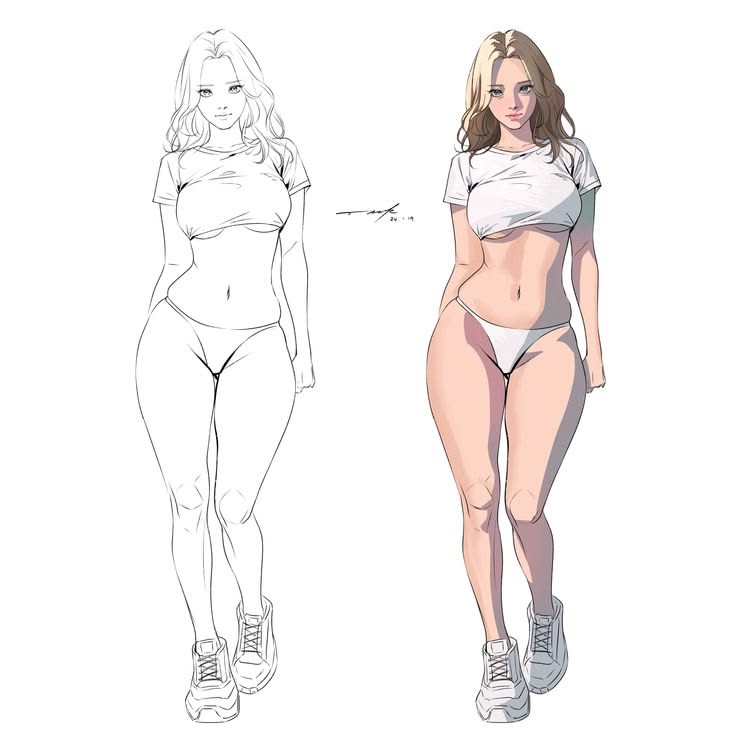
The team decides on a specific color palette for the show. Digital artists then fill in the line art according to these schemes.
8. Backgrounds and CGI
While the characters are being animated, background artists hand-paint or digitally render the environments. If the show uses 3D elements, CGI artists integrate those models into the 2D world.
9. Quality Check (QC)
Makers perform a final check of every single frame to ensure perfection:
- Are the colors consistent?
- Is the lip-syncing accurate to the dialogue?
- Are there any “off-model” drawings?
10. Localization (Subtitles and Dubbing)
If the anime is going global:
- Translators add subtitles (which fans often debate over!).
- Dubbing in languages like English, Hindi, or French happens in parallel.
Finally, after months (or years) of hard work, the trailer drops, and the full anime is released to the world!