US-Iran conflict impact on India 2026
Current Impact: The 2026 Energy & Currency Crisis
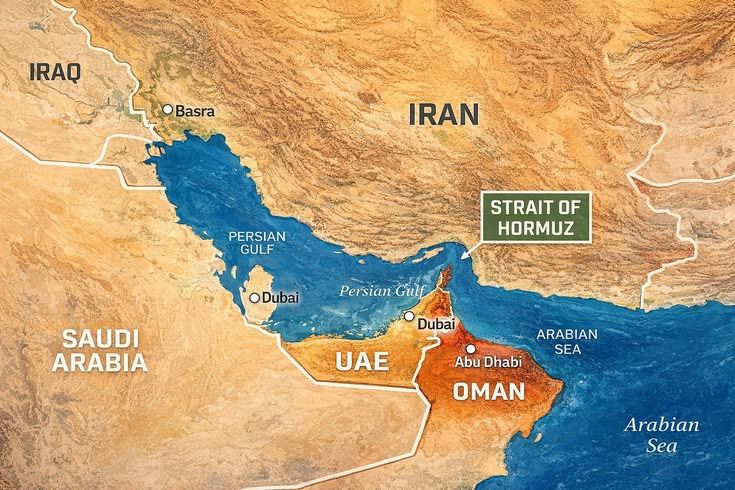
The ongoing tensions between the USA and Iran in May 2026 have created a severe “Energy Squeeze” for India. Following the intermittent closure of the Strait of Hormuz, through which India sources nearly 90% of its LPG and a significant portion of its crude oil, domestic fuel prices have surged. Brent crude is currently hovering between $110 and $120 per barrel, forcing the Indian Rupee to a record low of ₹95.34 against the US Dollar. For the average Indian citizen, this translates to higher kitchen expenses (LPG prices up by ₹60+ per cylinder) and rising costs for transport, logistics, and essential food items.
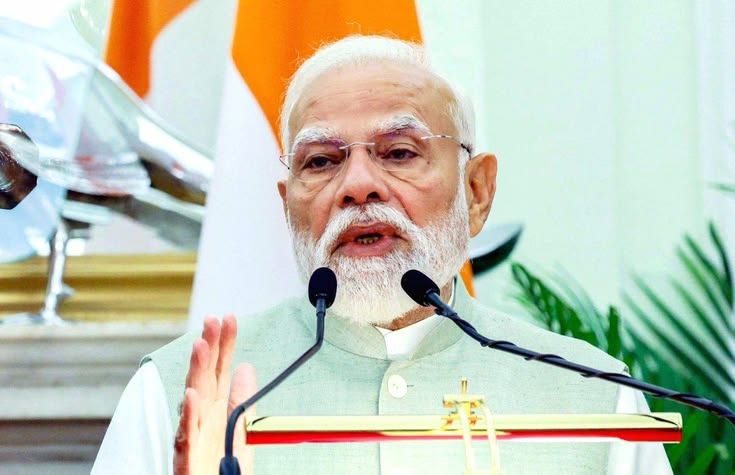
Prime Minister Narendra Modi’s recent appeal to “save foreign exchange” is a move toward Economic Self-Defense. In his address on May 10, 2026, he emphasized that while the government is working to shield the common person from the direct impact of the US-Iran war, the nation must act as one to prevent a currency collapse.
Here is the detailed breakdown of why the PM is emphasizing the need to save foreign currency:
1. The "Twin Import" Trap (Oil + Gold)
India’s economy is heavily dependent on two major imports that must be paid for in US Dollars (USD):
- Crude Oil: Since the conflict began, crude oil prices have surged above $105/barrel. India imports nearly 90% of its oil.
- Gold: India is one of the world’s largest importers of gold.
- The Logic: When oil prices spike, India’s “Import Bill” (the amount of dollars we send out) explodes. If Indians continue to buy gold simultaneously, it doubles the demand for dollars. By asking citizens to stop buying gold for a year, the PM aims to stop this “double drain” on our national savings.
2. Protecting the Rupee’s Value
The law of supply and demand applies to currency.
- When we import more, we “sell” Rupees and “buy” Dollars.
- In May 2026, the high demand for dollars to pay for expensive oil has caused the Rupee to weaken to ₹95 per USD.
- The Danger: If the Rupee continues to fall, everything India imports—from life-saving medicines to electronic chips and fertilizers—becomes more expensive. This leads to “Imported Inflation,” making daily life harder for everyone.
3. Conserving Forex Reserves
India maintains a “war chest” of foreign currency known as Forex Reserves.
- These reserves act as a cushion during global crises.
- If we use up these reserves too quickly to pay for luxury items (like gold or foreign vacations), the country becomes vulnerable.
- PM Modi’s goal is to ensure that every available dollar in the national treasury is prioritized for essential items: Fuel for transport, Gas for kitchens, and Fertilizers for farmers.

4. Reducing the Current Account Deficit (CAD)
A high CAD (where we spend more abroad than we earn) can lead to an economic slowdown and a drop in international credit ratings. By postponing foreign travel and “destination weddings” abroad, the government is trying to keep Indian capital inside India to support domestic industries during this volatile period.
Comparative Inflation Data (May 2026)
The war has triggered a resurgent inflation wave globally. Below is the current data reflecting the economic pressure on involved and impacted nations:
| Country | Inflation Rate (May 2026) | Primary Economic Driver |
|---|---|---|
| India | 5.1% | Energy costs and ₹95/$ Rupee depreciation |
| United States | 4.0% | Resurgent energy prices; Fed rates on hold at 3.75% |
| Iran | 45.0% + | Sanctions, war-time shortages, and currency collapse |
| OECD Average | 4.0% | Global supply chain and maritime insurance spikes |
Why Prices Were Stable in the Beginning (Feb - March 2026)
- Strategic Petroleum Reserves (SPR): At the start of the conflict, India utilized its underground strategic reserves in Visakhapatnam, Mangaluru, and Padur. These reserves act as a “shock absorber,” allowing the government to maintain supply without immediately passing global price hikes to the citizens.
- Long-Term Contracts: India buys a large portion of its oil and gas through “forward contracts” where prices are locked in months in advance. The initial months of the war were covered by these cheaper, pre-war prices.
- Transit Buffer: Even when the Strait of Hormuz was first threatened in March, ships that had already cleared the passage were still arriving at Indian ports. This created a “grace period” of about 30 to 45 days where the supply chain appeared normal.
Why it is a Massive Concern Now (May 2026)
The situation has shifted from a “market shock” to a “supply exhaustion” crisis.
- The Qatar Factor (Force Majeure): In late April 2026, major suppliers like QatarEnergy declared Force Majeure (a legal clause used when a supplier cannot fulfill a contract due to war). This meant the “cheap” locked-in contracts were suddenly cancelled, forcing India to buy oil on the “Spot Market” at emergency prices of $110-$120 per barrel.
- Depleted Reserves: India’s strategic reserves are designed to last for about 9-10 days of national consumption in a total cutoff. After over two months of disruption in the Persian Gulf, these emergency stocks are running low, leaving the economy exposed to daily price volatility.
- The “Logistics Lag”: Alternative routes (like getting oil from Russia or the Atlantic) take much longer. The delay in ships arriving has created a physical shortage of LPG and specialized fuels, leading to the “shortage-driven inflation” we are seeing today.
- Currency Threshold: The Reserve Bank of India (RBI) managed to defend the Rupee at ₹88-₹90 for a while. However, as the war dragged on, the sheer volume of dollars needed to pay for oil broke that defense, pushing the Rupee to ₹95+. This makes every single liter of imported fuel significantly more expensive than it was just eight weeks ago.
India’s War Chest 2026
| Asset Category | Specific Resource | Storage Capacity / Current Level | Survival Buffer (Days/Value) |
|---|---|---|---|
| Energy (SPR) | Strategic Crude Oil | 5.33 MMT (64% Utilized) | ~9.5 Days (Emergency Only) |
| Energy (Total) | Commercial + SPR | Active Supply Chain | ~74 Days (Combined) |
| Food Grains | Rice | 386 Lakh Metric Tonnes | ~2.8x above buffer norms |
| Food Grains | Wheat | 218 Lakh Metric Tonnes | ~2.9x above buffer norms |
| Finance | Forex Reserves | $690.69 Billion | Coverage for ~10 months of imports |
| Finance | Gold Reserves | 880.52 Metric Tonnes | Worth $122 Billion |
Note:
- The Energy Vulnerability: While India has a 74-day total oil buffer, the Strategic Petroleum Reserves (SPR)—the underground “vaults” for extreme war scenarios—only hold enough for about 9.5 days. This is the primary reason the PM is pushing for fuel conservation.
- The Food Strength: India’s food storage is the “Bright Spot.” With nearly 3 times the required buffer in rice and wheat, domestic food inflation is being controlled even as global prices rise.
- The Forex Pressure: The drop from $728B to $690B since the conflict started (a $38 billion drain) explains the government’s urgency in stopping non-essential outflows like gold imports and foreign tourism.

How We Can Support Our Nation
In this "man-made" crisis, individual actions aggregate into national resilience. Here is how we can contribute:- Fiscal Discipline: Avoid panic-buying or hoarding essential commodities (like LPG or cooking oil), which causes artificial price hikes.
- Energy Mindfulness: Treating electricity and fuel as scarce resources—switching off unused appliances and optimizing vehicle use.
- Buy Local (Aatmanirbhar): Focus on Indian-made goods to reduce the import bill and support local manufacturers struggling with high input costs.
- Forex Conservation: Following the PM’s advice to keep investment and expenditure within the country rather than sending capital abroad via luxury imports or foreign travel.
| Measure | The “Why” (Economic Reason) |
|---|---|
| Stop Gold Purchase | Reduces the secondary drain on US Dollars after oil. |
| Work From Home | Directly lowers the demand for imported fuel. |
| No Foreign Travel | Keeps Indian wealth within the country’s borders. |
| Avoid Foreign Brands | Minimizes the outflow of currency to multinational HQs. |
Myth vs. Fact: India’s Economy in 2026
Misconception 1: "India's oil reserves are empty."
The Reality: Our Strategic Petroleum Reserves (SPR) are currently at 64% capacity. While that provides about 9.5 days of emergency cover, our total commercial and refinery stock provides a buffer of nearly 74 days. We are far from a “dry tank” scenario, but conservation is necessary to ensure we don’t have to buy expensive “Spot Market” oil in a panic.
Misconception 2: "The PM’s appeal means a total ban on buying gold or traveling."
The Reality: There is no legal ban. The Prime Minister has made a “National Appeal” for voluntary restraint. The goal is to reduce the aggregate demand for US Dollars. By choosing a domestic vacation over a foreign one, or delaying a gold purchase, you are simply helping the Rupee stay strong against the Dollar.
Misconception 3: "Petrol and Diesel prices will double tomorrow."
The Reality: The government has intentionally kept pump prices stable to prevent a domestic inflation spike. By utilizing the Essential Commodities Act, the government is prioritizing household fuel (LPG) and transport (CNG). The appeal to “Work from Home” and “Carpool” is intended to keep these prices stable by lowering national demand.