The Green Mars Blueprint
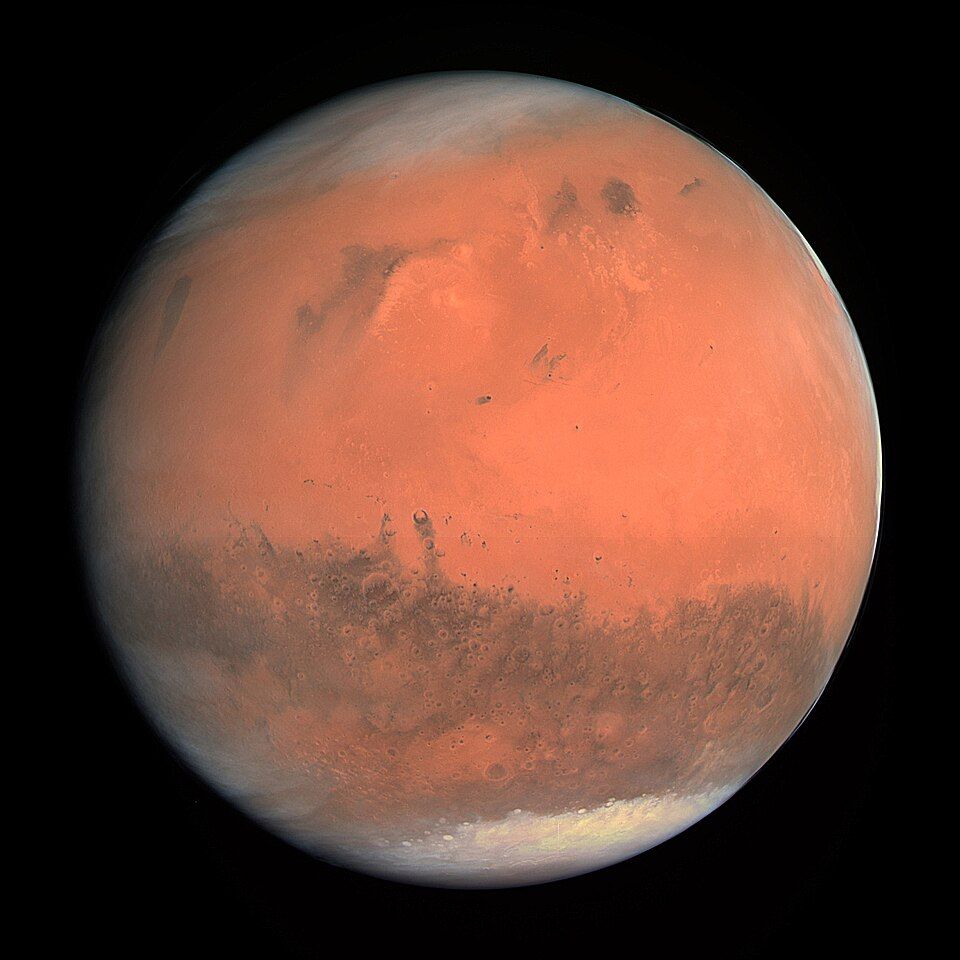
This article explores the visionary scientific proposal to “export” life from Earth to Mars. Instead of trying to transform the entire planet at once—a process known as terraforming that would take centuries—scientists are now focusing on a much more achievable, localized approach.
Below is a detailed, easy-to-read breakdown of the concepts, technology, and challenges involved in this mission.
1. The Big Shift: From "Terraforming" to "Pockets of Life"
For decades, the idea was to change the entire Martian atmosphere to make it like Earth’s. However, Mars lacks a magnetic field to hold a thick atmosphere and is too far from the sun to stay warm.
- The New Strategy: Instead of fixing the whole planet, scientists suggest creating “islands” of habitability. By focusing on small, controlled areas, we can establish life on Mars within our lifetime using existing technology.
2. The Secret Ingredient: Silica Aerogel
The breakthrough technology mentioned in the research is Silica Aerogel. This is a solid, foam-like material that is 99% air, making it one of the lightest and most insulating materials ever created.
The Greenhouse Effect: On Earth, our atmosphere traps heat. On Mars, we could use a thin layer (about 2–3 centimeters) of Silica Aerogel to do the same thing.
Filtering Light: The gel is transparent to the “good” light that plants need for photosynthesis but blocks the “bad” ultraviolet (UV) radiation that would otherwise kill Earthly life.
Heating the Ground: Underneath this gel “blanket,” temperatures could rise by as much as 50°C. This is enough to melt subsurface water ice and keep the ground warm enough for plants to grow year-round without any other heating source.
3. Why This is the Most Realistic Plan
This approach solves the three biggest problems of Mars simultaneously:- Water: It melts the ice already present in the Martian soil.
- Radiation: It acts as a shield against deadly UV rays.
- Energy: It requires no power grid; it simply uses the natural sunlight reaching the planet.
4. How We Would "Export" Life (The Step-by-Step)
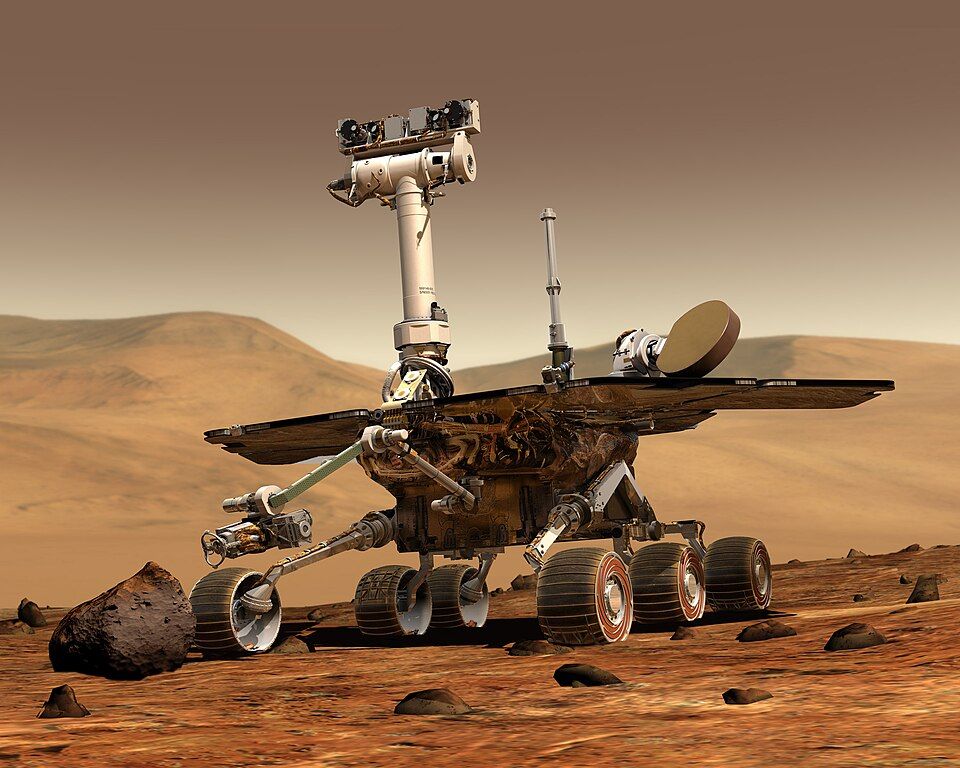
If this plan were put into action, the process would look like this:- Site Selection: Robots identify areas on Mars with high water-ice content (like the mid-latitudes).
- Deployment: Automated rovers spread Silica Aerogel tiles or structures over the ground.
- Introduction of Microbes: We start by “exporting” hardy life forms like cyanobacteria or algae. These organisms take in the Martian CO2 and release oxygen.
- Scaling Up: Once the soil is stable and oxygen levels rise within these “islands,” we could introduce mosses, then eventually small plants and food crops for human settlers.
5. The Ethical "Red Line"
While the technology exists, scientists are debating whether we should do it. This is known as Planetary Protection.
- The Risk of Contamination: If there is already native microbial life hiding deep in the Martian soil, “exporting” Earth life could act like an invasive species, accidentally killing off the first aliens we might ever find.
- The Preservation Argument: Some argue Mars should remain a “wilderness” for scientific study, untouched by Earth’s biology.
6. The Goal: A "Green" Mars
The ultimate vision isn't just to build tin-can habitats for astronauts to live in, but to create a self-sustaining ecosystem. By "exporting" life, we are essentially giving Mars the tools it needs to start breathing on its own.Summary
What You Need to Know
- The Tool: Silica Aerogel “blankets.”
- The Method: Creating localized greenhouses to melt ice and block UV.
- The Benefit: It’s cheap, uses natural sunlight, and is possible with today’s technology.
- The Concern: We might accidentally destroy native Martian life if it exists.
This approach transforms Mars from a “dead” rock into a series of “living” oases, marking the first step toward humanity becoming a multi-planetary species.